
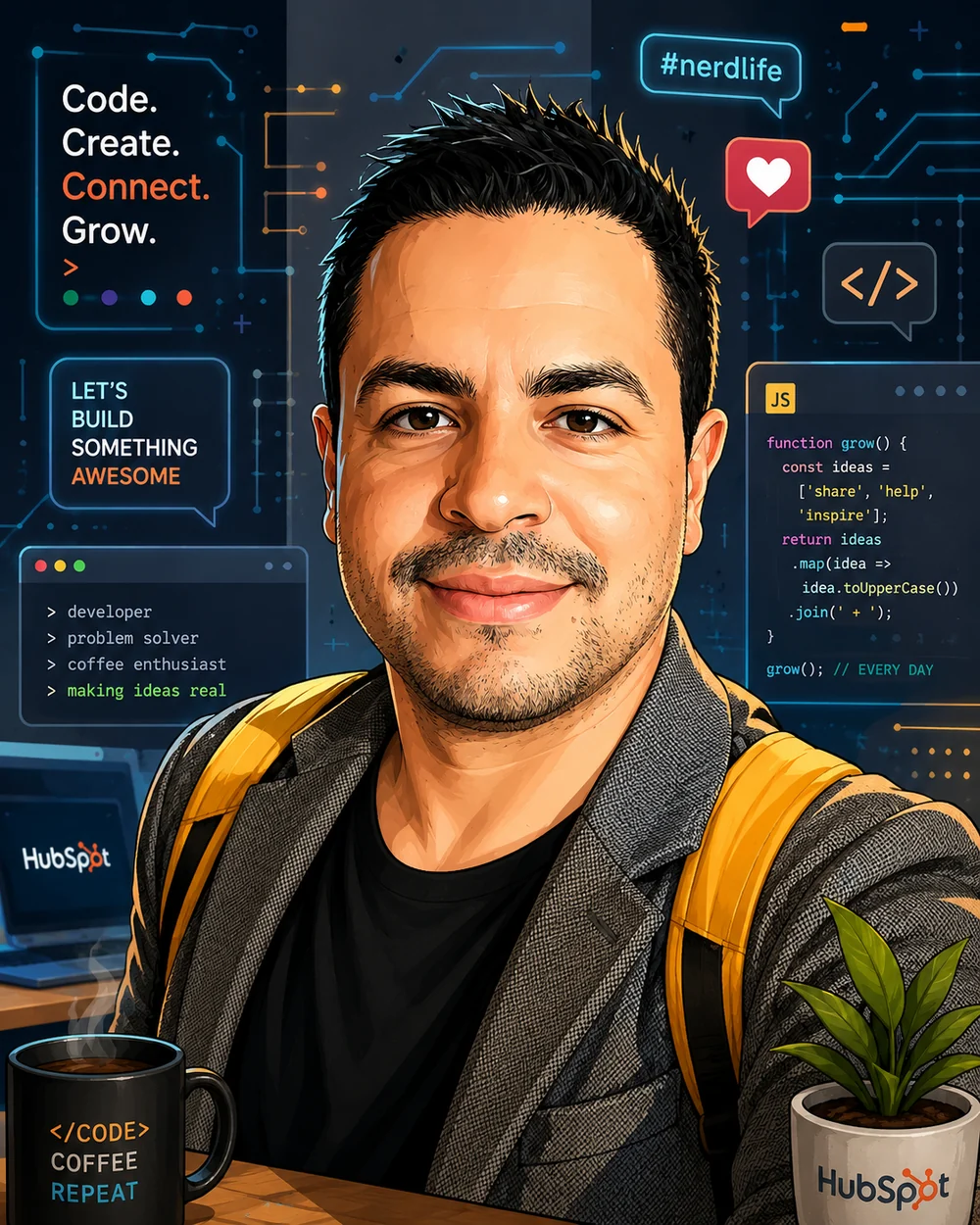
01 · Knowledge in motion
I have written about what I learn since 2007.
While still in college, I began summarizing what I learned about Java, Adobe Flex, and architecture in Blogspot tutorials. Writing helped me organize ideas; publishing helped other people. Readers, forum conversations, talks, and invitations to teach followed. Sharing the work became part of the work itself.
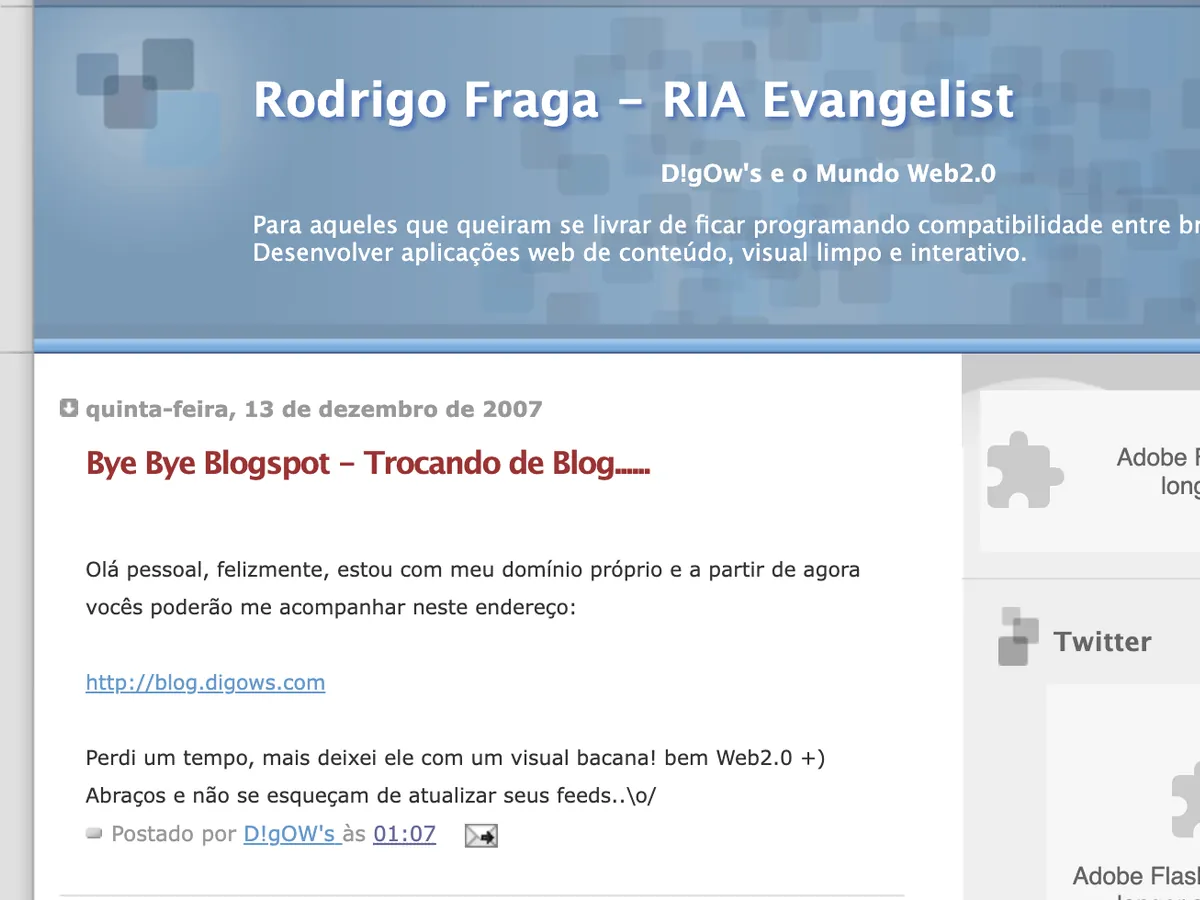 View the original 2007 blog ↗
Blogspot
I published tutorials while I was still figuring the subjects out.
Forums and events
The posts brought readers, conversations, talks, and useful contacts.
The classroom
I taught at colleges for five years. Explaining things clearly became part of engineering.
Research and magazines
I also wrote scientific papers and articles for technical magazines.
From text to operations
EITS, Gamifier, ViaFronteira, and many systems took the ideas into production.
Back to experiments
LLMs and agents made me experiment and document things much like I did at the beginning.
02 · When distance disappeared
Before graduation, the work was already crossing borders.
The articles began as summaries of what I was learning in college. The audience grew, invitations to speak at technology events followed, and soon I had a contract with a company in Portugal. I had not completed my first degree when I began working from Foz do Iguaçu, earning in euros, for people who had never shared a room with me.
Projects for companies in the United States followed, then work for organizations in São Paulo. Distance stopped being an obstacle before the market had a common name for remote work. The relationship was sustained by learning fast, communicating clearly, and delivering.
That is where EITS came from, a software house that operated for 19 years. I began bringing projects together, building teams, and taking responsibility for the architecture of very different products.
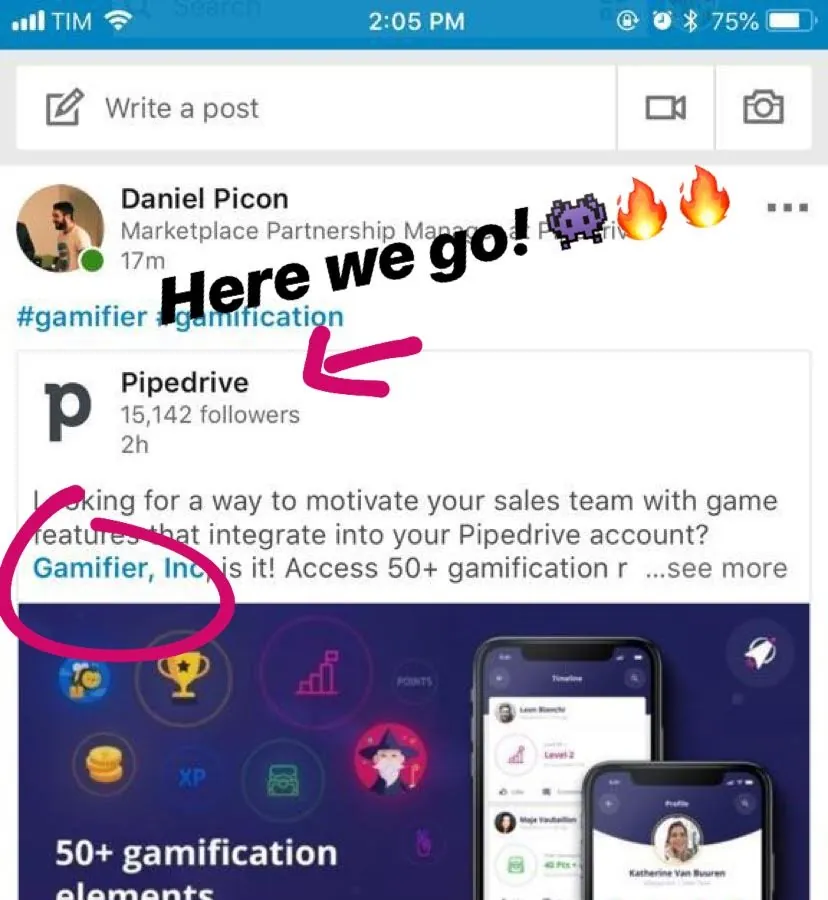
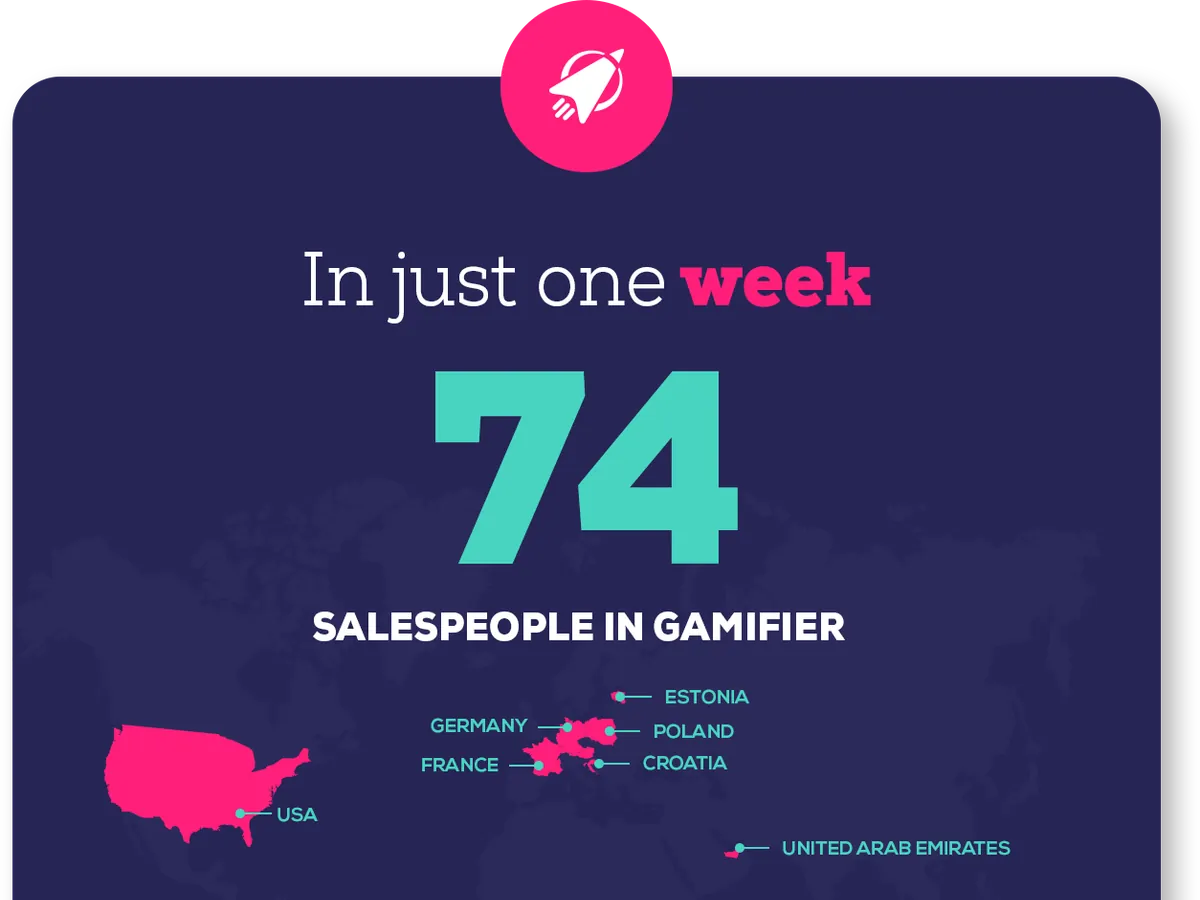
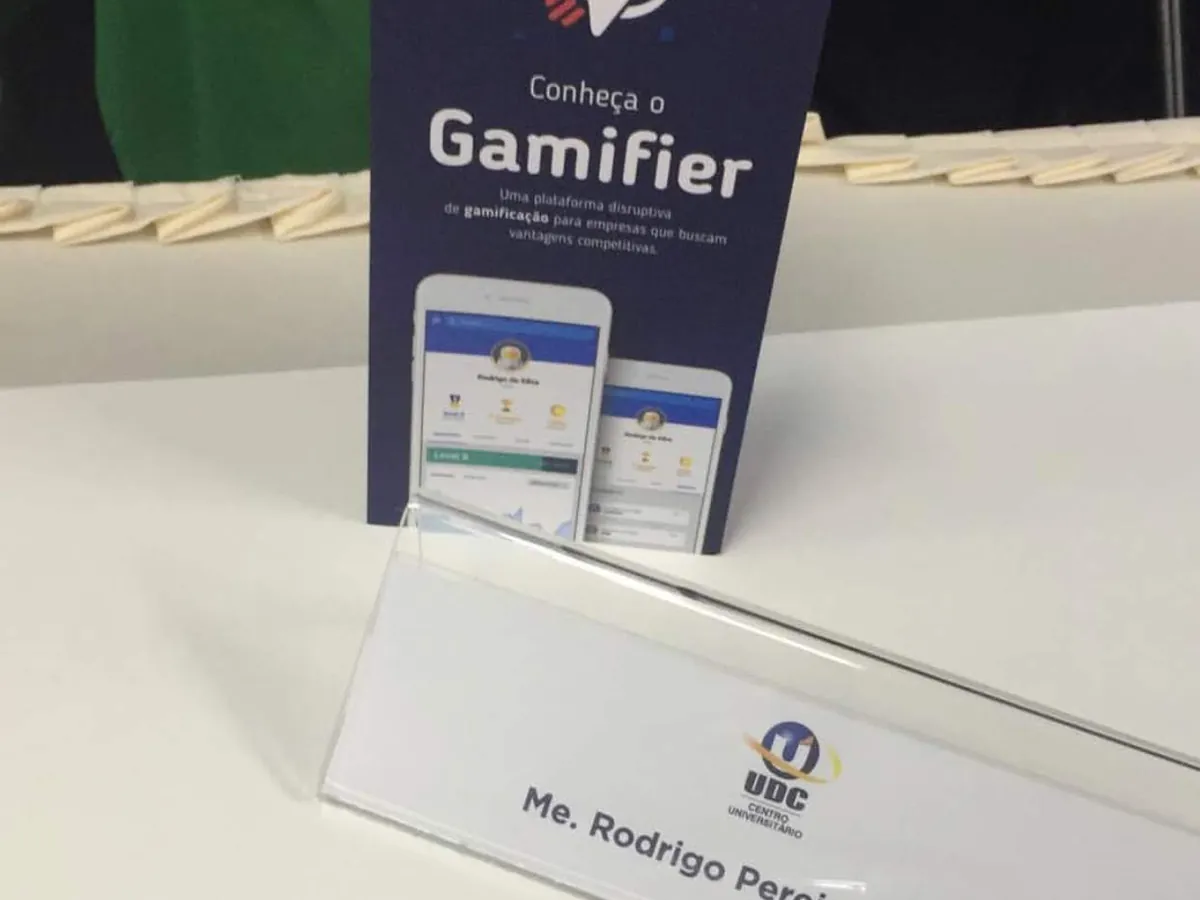
Gamifier came in parallel. I took gamification practices we used with development teams and turned them into a SaaS product for sales and support.
ViaFronteira followed, a marketplace across Brazil, Paraguay, and Argentina. It reached 30,000 active users in under a year but was not commercially sustainable. In recent years, I have worked more with healthcare, DICOM, and hospital operations. Now I am back to small experiments, this time with LLMs, agents, and coding agents.
Remote work before it became routine.
03 · Accumulated experience
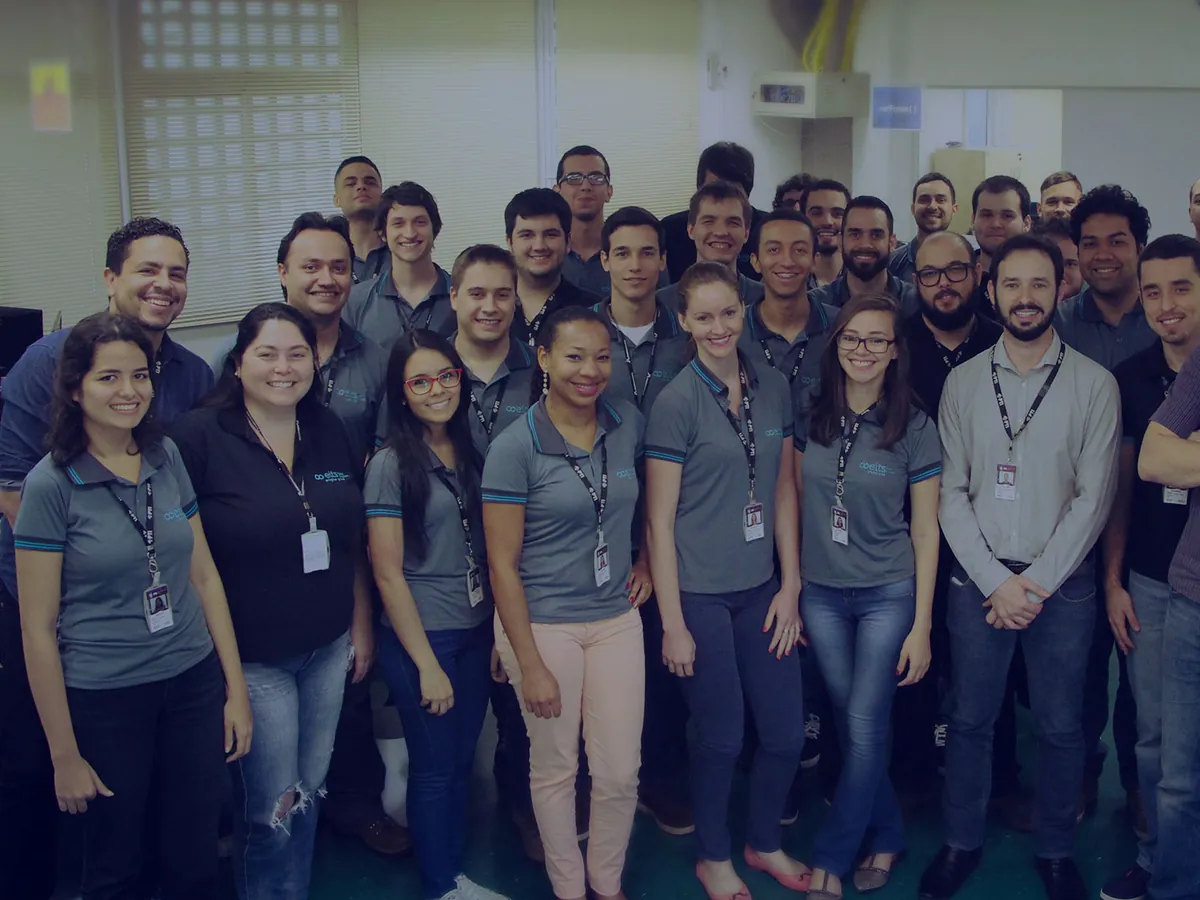
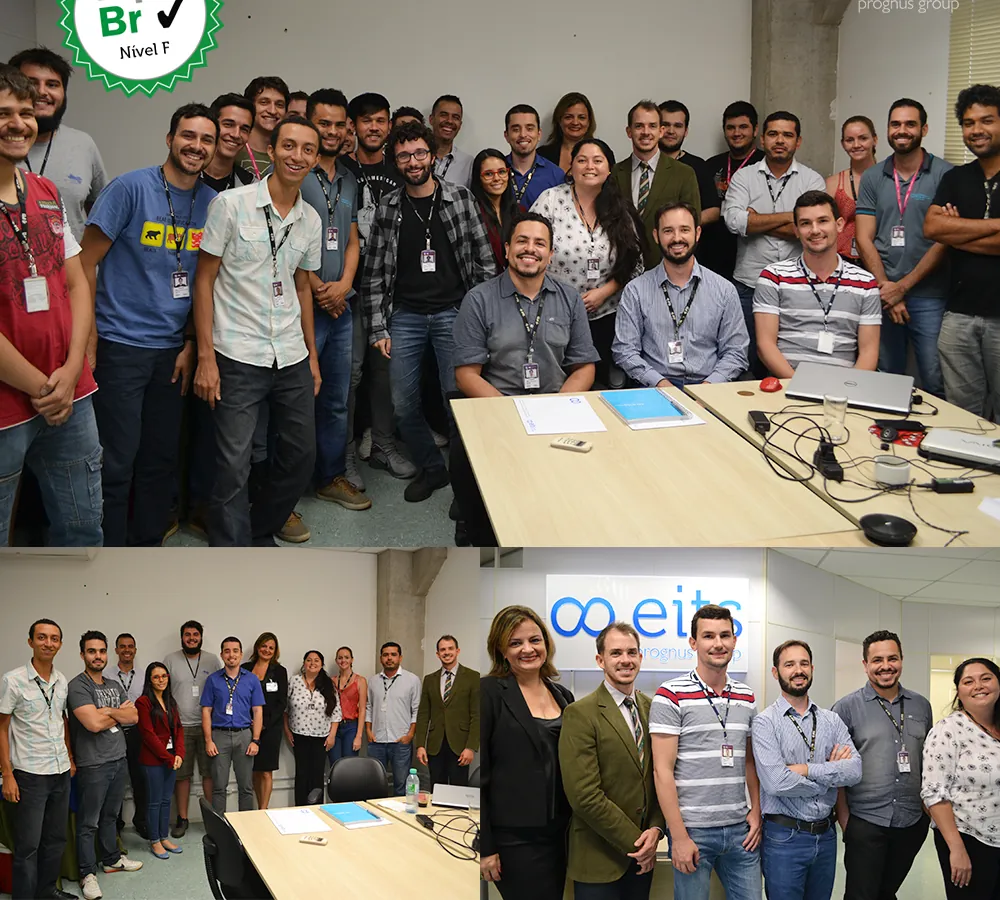
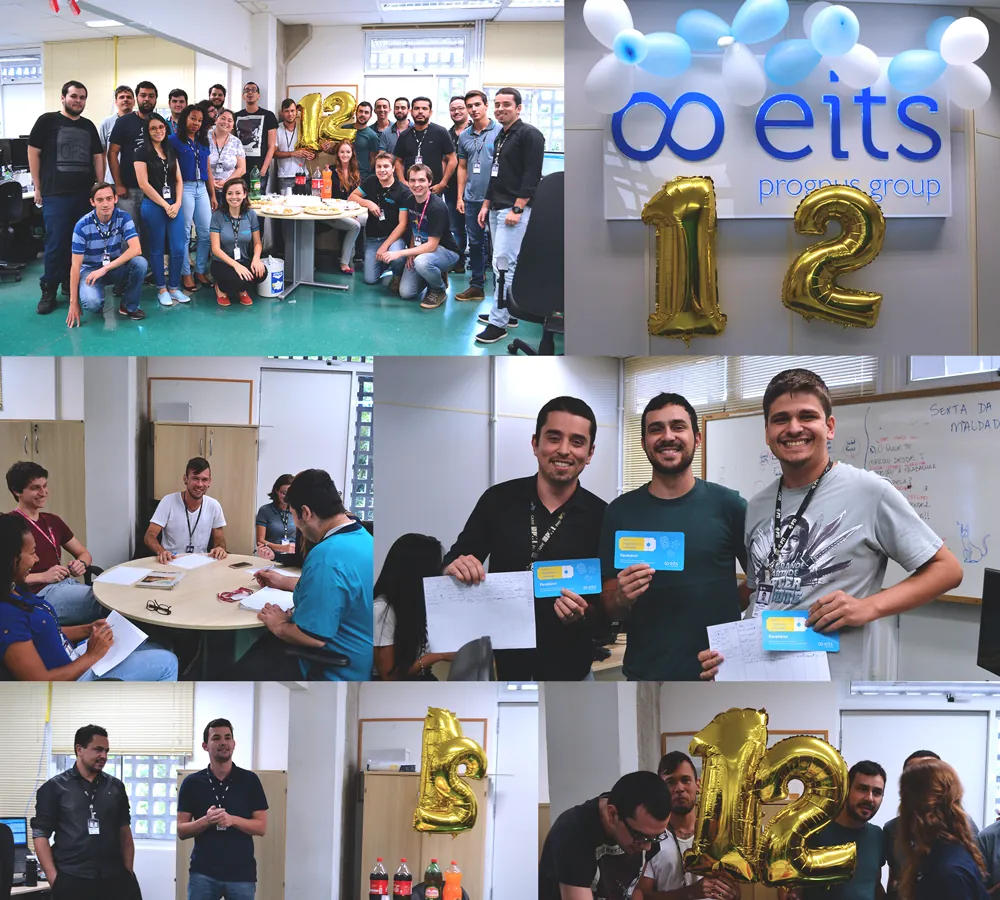
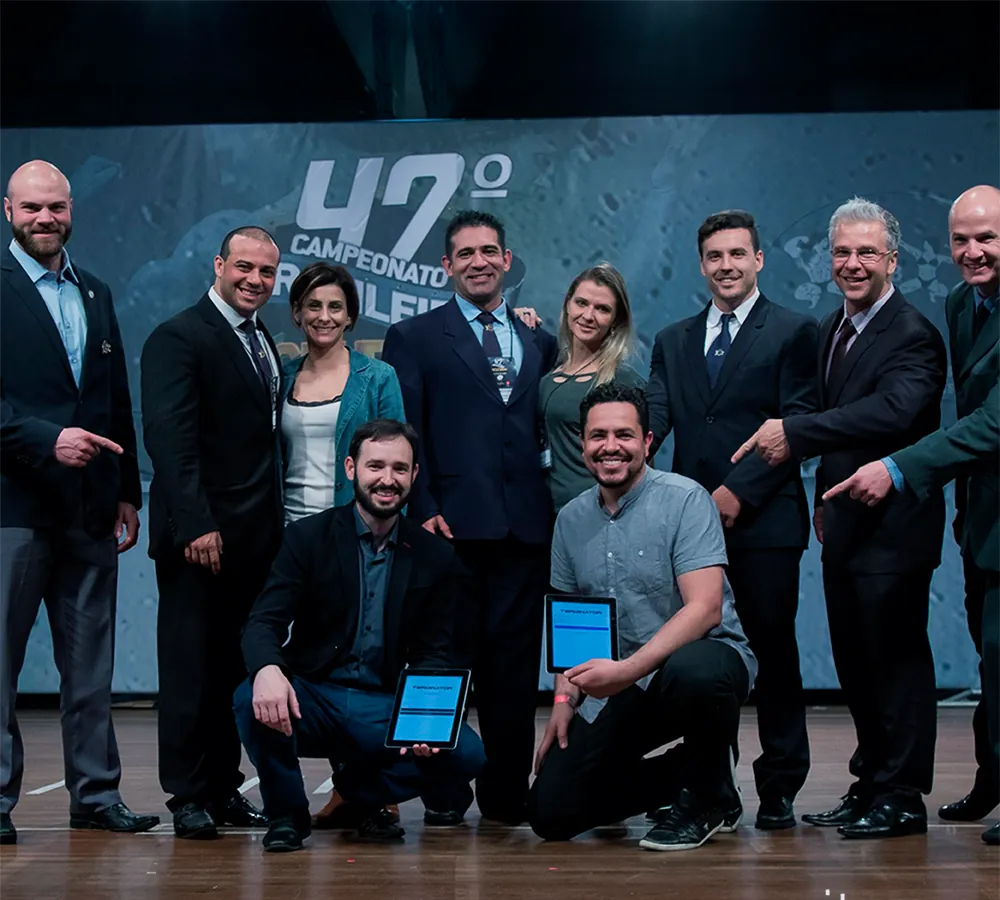

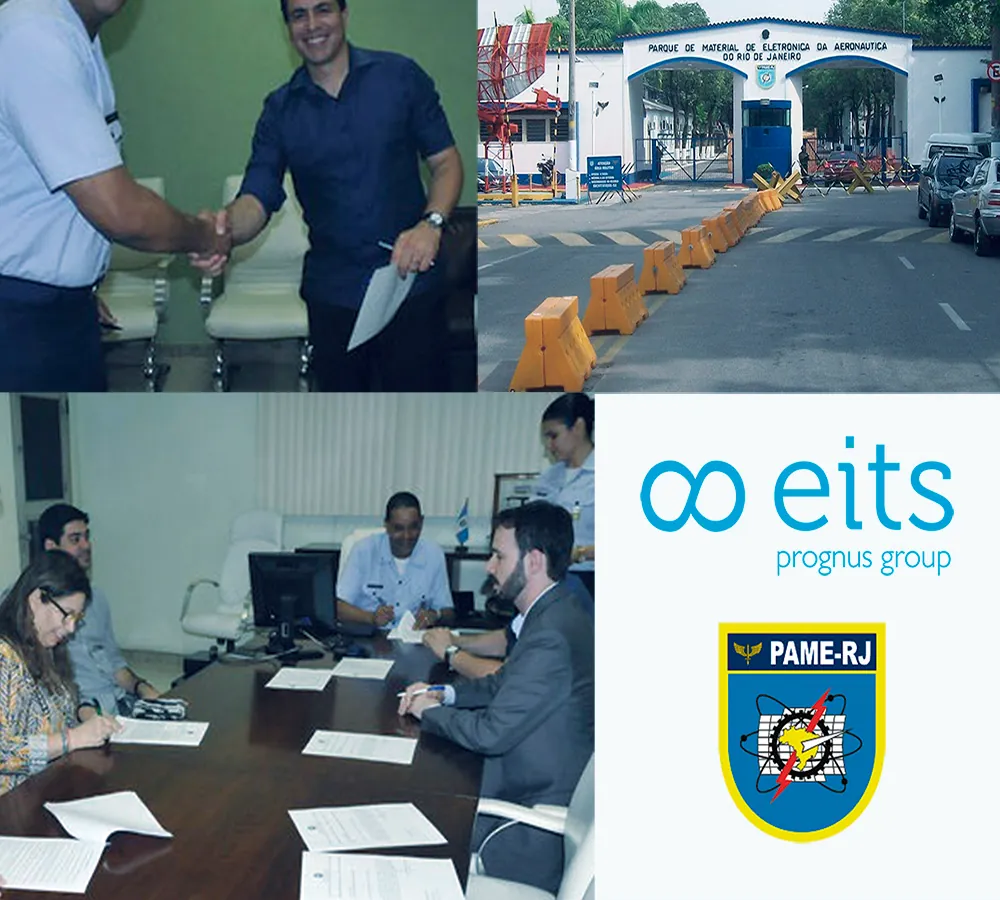
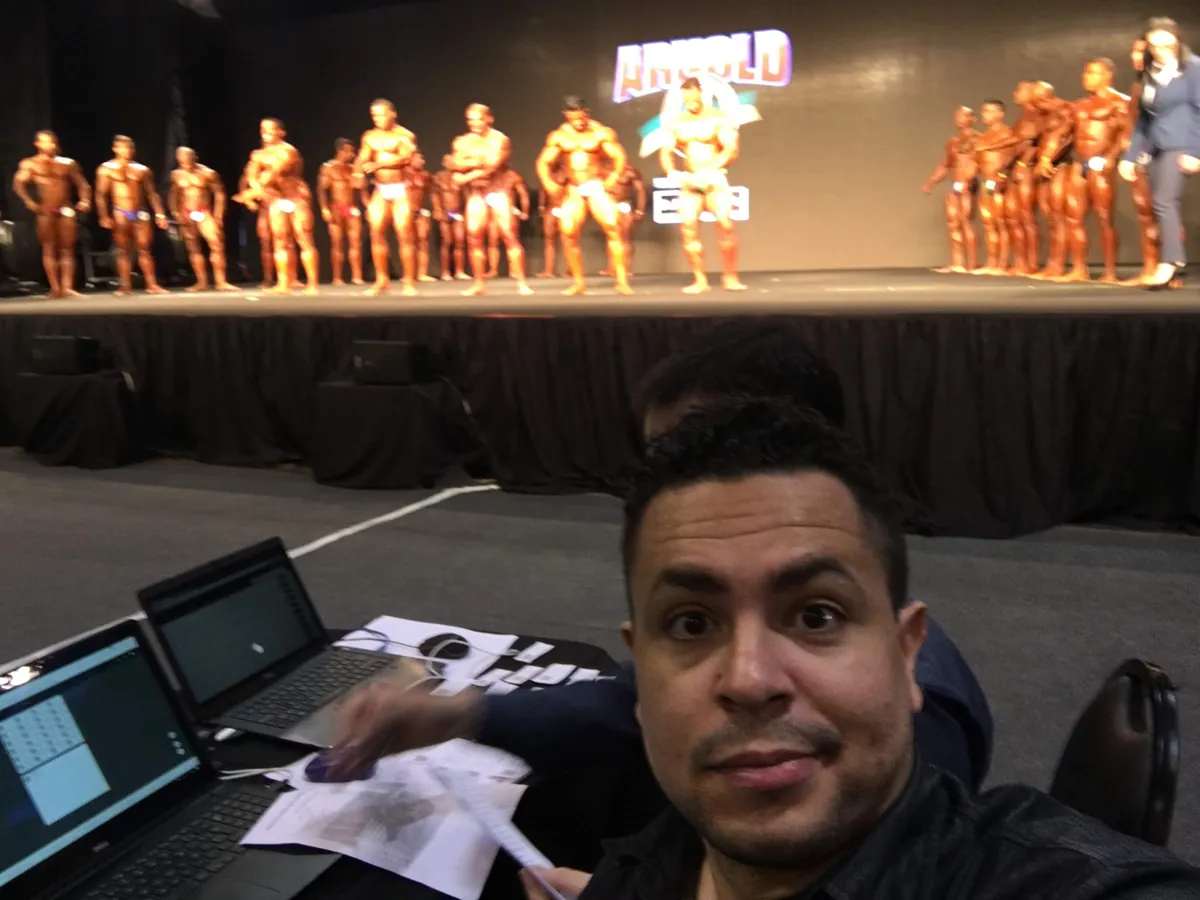
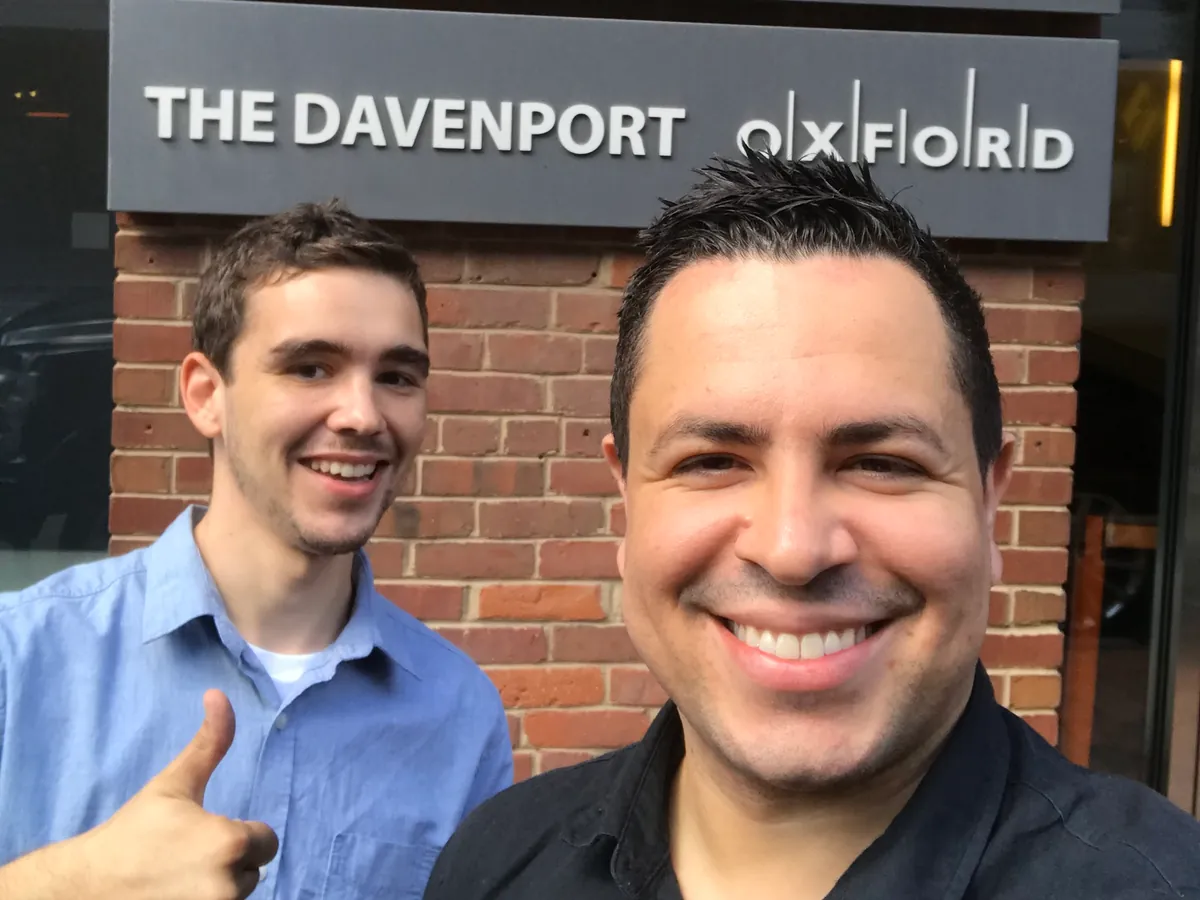
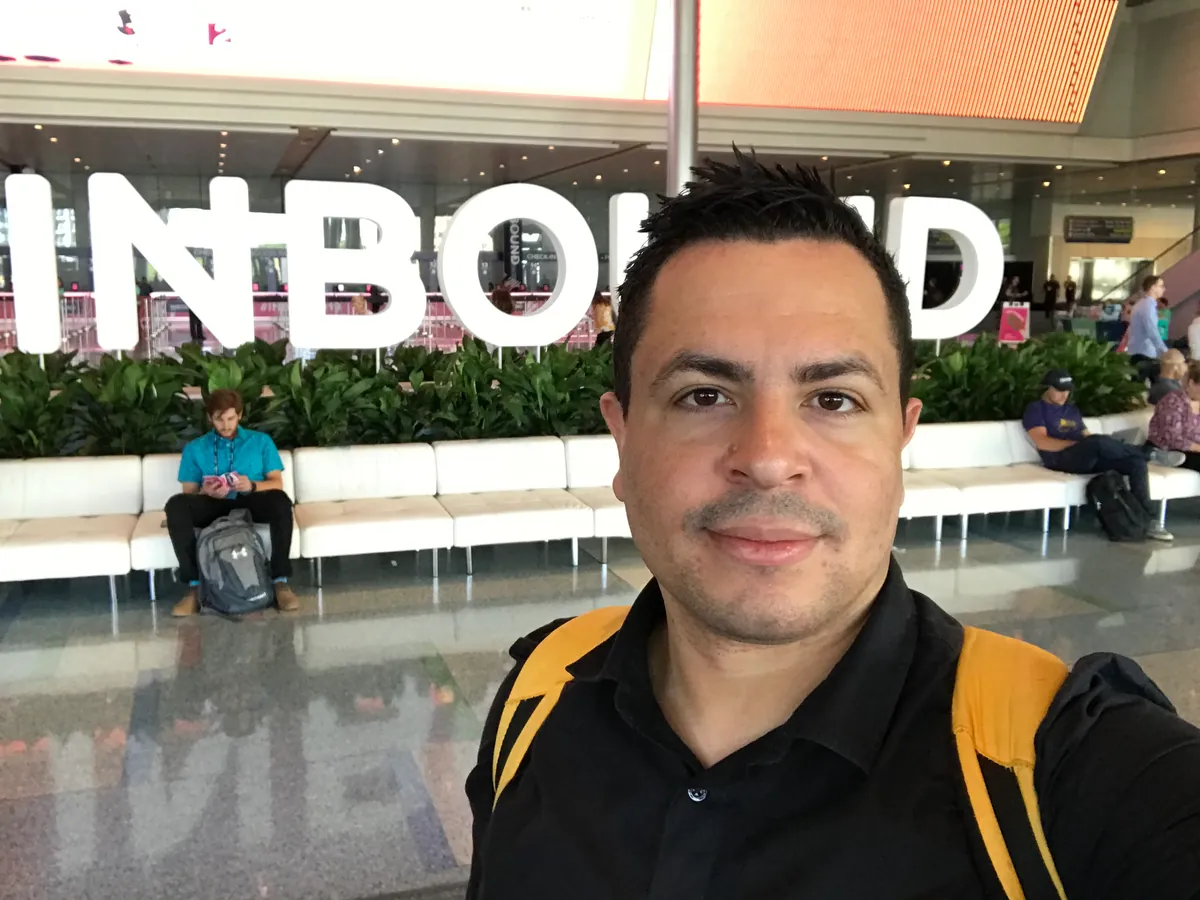
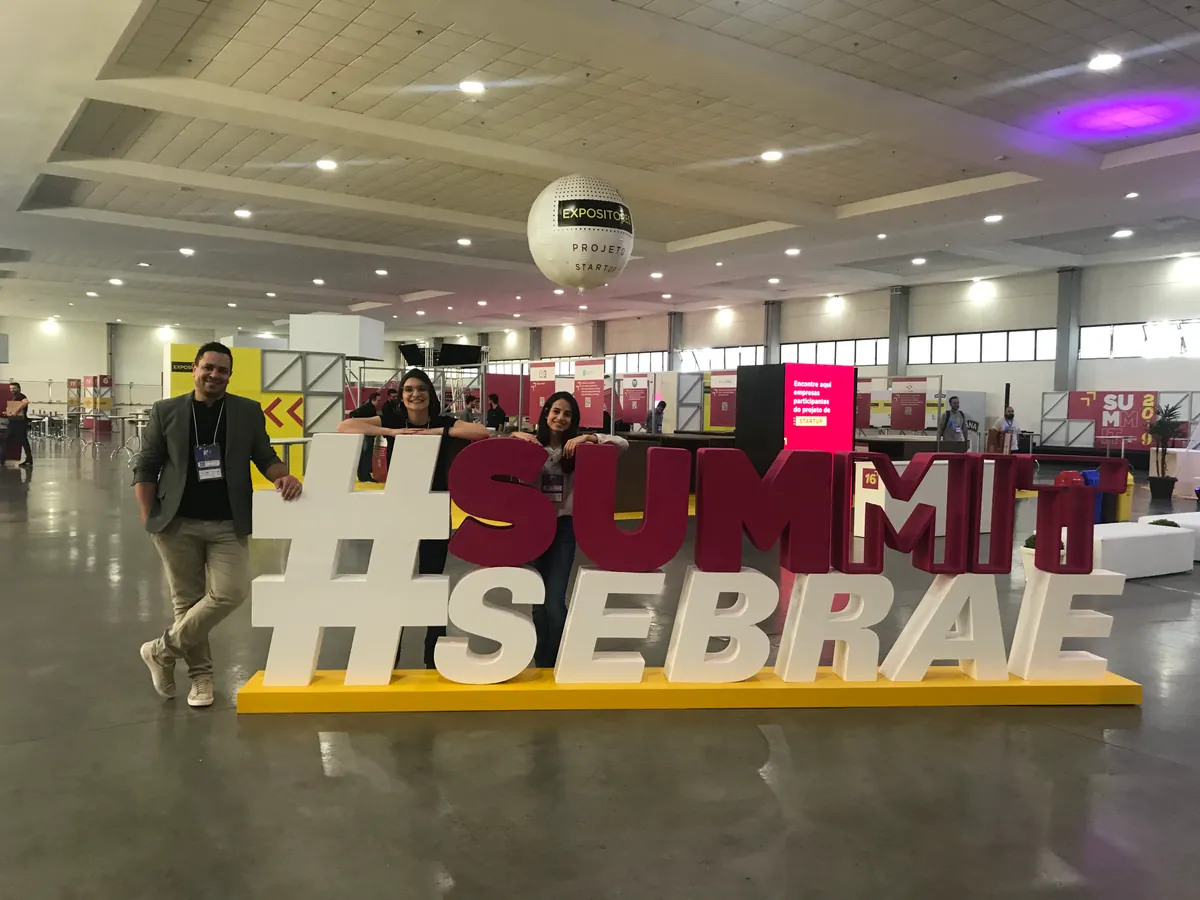
After dozens of products, patterns start to repeat.
04 · Technology as repertoire
The stack depends on the problem.
I have worked with many languages, frameworks, and kinds of systems. I have no interest in defending one stack for everything. The choice depends on the problem, the team, the constraints, and who will maintain the software later.
I still enjoy opening a new technology, building something small, and finding where it works — and where it does not. Some tools join the repertoire; others remain experiments.
05 · A new software engineering
Software is now also built by software.
Today, coding agents already read entire repositories, use tools, run tests, and work on fairly long tasks. OpenClaw, Hermes, and other assistants show another side of the change: software that keeps context and stays involved in the work for longer.
I want to use this blog to record what I learn while building agents for healthcare, operations, service, and development: what works, where they break, and which engineering practices still make a difference.

Kavor
A visual system for working with coding agents without reducing engineering to a chat: connect agents, specifications, files, terminals, decisions, and evidence in a durable graph.
See Kavor in practice
Kortex
Conversational agent for clinical data and hospital operations.
Agent Asaph
A WhatsApp agent for music teams.

ViaFronteira
A cross-border shopping concierge on WhatsApp.
06 · Music
Away from screens, music is my hobby.
I have a studio, a few guitars, and too many pedals. I enjoy trying combinations, adjusting tones, and playing without turning everything into a project or product.
Sometimes it becomes music. Sometimes it is just noise. Both count.This site
I keep writing.
This site is a lab and an archive: ideas under construction, decisions under examination, and consequences worth recording.
Comments
Loading comments…